A Historic Shift in International Soccer
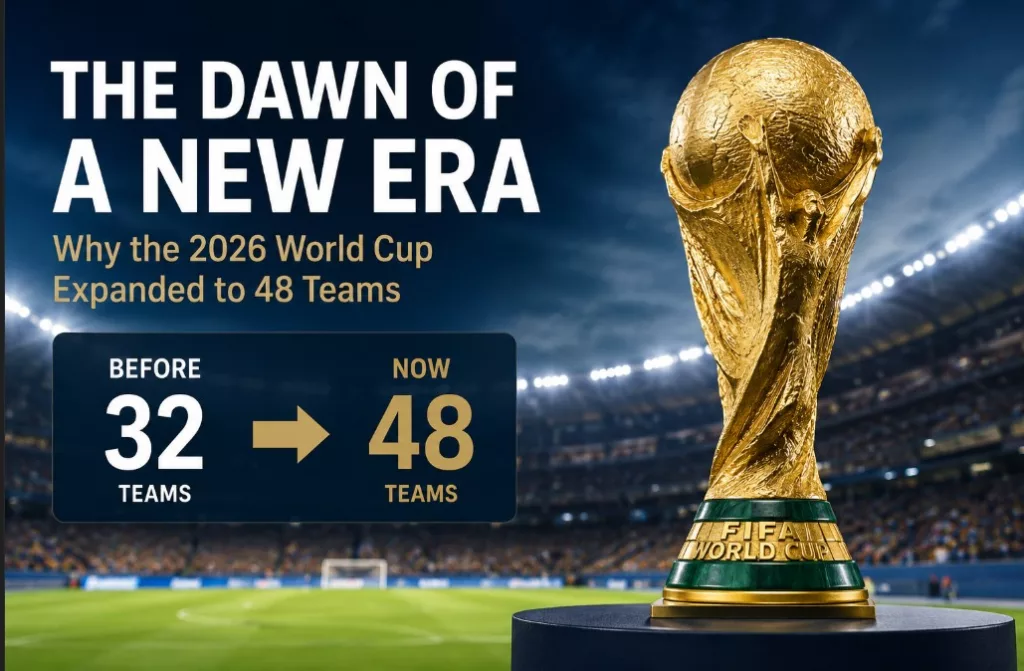
The global landscape of soccer is preparing for an unprecedented transformation. When the summer of 2026 rolls around, the most prestigious tournament on the planet will look drastically different. Hosted jointly by the United States, Canada, and Mexico, the upcoming spectacle will feature 48 nations battling for ultimate glory. This represents a massive leap from the traditional 32-team structure we have grown accustomed to since the 1998 edition in France.
Financial Incentives Driving the Expansion
At the heart of modern sports lies the undeniable influence of economics. According to ESPN, the governing body of world football expects a staggering surge in revenue from this expansion. Adding 16 more teams means an influx of matches, which translates directly into higher broadcasting rights fees, increased ticket sales across massive North American stadiums, and much more lucrative corporate sponsorships. The projected revenue cycle is expected to shatter all previous records, providing vital funding that officials claim will be reinvested into grassroots development across the globe.
Globalizing the Beautiful Game
Beyond the financial gains, the expansion serves a noble sporting purpose: inclusivity. For decades, confederations in Africa and Asia have argued that they are severely underrepresented on the world stage compared to European and South American powerhouses. By expanding the field, nations that consistently fall just short of qualification now have a realistic pathway to the grandest stage. This strategic move is designed to spark passion, boost domestic league interest, and improve infrastructure in emerging markets, truly globalizing the sport and giving fans from traditionally marginalized footballing nations a reason to dream.
Format Overhaul: How Will It Work?
Initially, there were serious discussions about implementing 16 groups of three teams. However, according to BBC Sport, the format was ultimately revised to 12 groups of four teams. This crucial pivot ensures that the drama of simultaneous final group stage matches remains intact, preventing the risk of collusion between teams. The top two teams from each group, along with the eight best third-place finishers, will advance to a newly introduced Round of 32. Consequently, the eventual champions will need to navigate eight matches instead of the traditional seven to lift the iconic trophy.
By the Numbers: 32 vs 48 Teams
To truly grasp the magnitude of this structural change, one must look at the raw data. Below is a breakdown of how the new tournament structure compares to the previous era.
| Tournament Metric | 32-Team Format (1998-2022) | 48-Team Format (2026 Onward) |
|---|---|---|
| Total Matches Played | 64 | 104 |
| Group Stage Structure | 8 groups of 4 | 12 groups of 4 |
| Knockout Stage Inception | Round of 16 | Round of 32 |
| Matches Required to Win | 7 | 8 |
| Estimated Duration | Roughly 29 days | Roughly 39 days |
Addressing the Critics and Player Fatigue
Not everyone in the sporting community is thrilled about the supersized tournament. Purists argue that allowing more teams dilutes the overall quality of the competition, potentially leading to lopsided group stage encounters and a lack of early-round jeopardy. Furthermore, player welfare has become a massive talking point among managers and medical staffs. With elite athletes already enduring grueling club schedules across top European leagues, adding an extra knockout round and extending the tournament’s duration raises serious, valid concerns about physical burnout and career-altering injuries.
Looking Ahead to a North American Spectacle
Regardless of the ongoing debates, the 48-team format is locked in and ready to launch. The 2026 edition promises to be a month-long festival of diverse cultures, unprecedented narratives, and thrilling underdog stories. As the World Cup evolves, so too does the beautiful game itself. Whether this massive expansion proves to be a masterstroke of global inclusion or a step too far for the sport’s calendar remains to be seen, but one thing is absolutely certain: the entire world will be watching when the first whistle blows.