A New Chapter for the Emirates NBA Cup
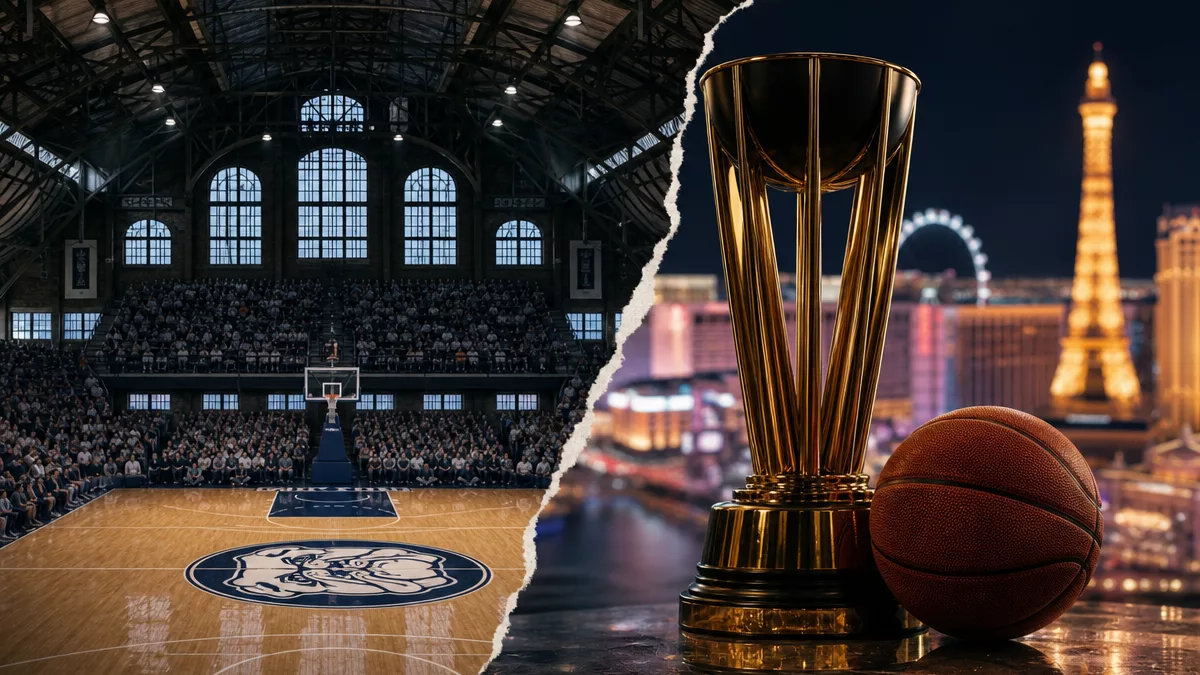
The National Basketball Association is making a significant change to its in-season tournament, officially known as the Emirates NBA Cup. After its initial run in the vibrant city of Las Vegas, the championship game will now be held at the historic Hinkle Fieldhouse in Indianapolis. This move represents a deliberate shift in the atmosphere the league aims to create for its burgeoning tournament, trading the glitz and glamour of Las Vegas for a venue steeped in basketball history. The decision to relocate the final has been met with a mixture of anticipation and curiosity from fans and analysts alike, eager to see how this change will impact the event’s identity and reception. The initial three finals were held at the T-Mobile Arena in Las Vegas, a modern marvel of entertainment. However, the league is now pivoting to a more intimate and historically significant setting, signaling a potential new direction for the tournament’s future. This change also comes after the tournament was rebranded from the NBA In-Season Tournament to the Emirates NBA Cup following a sponsorship deal with the Dubai-based airline, Emirates.
Why Hinkle Fieldhouse? A Nod to Basketball’s Soul
The choice of Hinkle Fieldhouse is a clear homage to the rich history of basketball. Often called “Indiana’s Basketball Cathedral,” the arena has been a witness to countless iconic moments in the sport. Opened in 1928, it stands as one of the oldest college basketball arenas still in use in the United States. Its historical significance is recognized with its designation as a U.S. National Historic Landmark. The fieldhouse was the setting for the legendary 1954 Indiana high school basketball championship game, where the small Milan High School team achieved a victory that inspired the classic film “Hoosiers.” The final scenes of the movie were even filmed at Hinkle Fieldhouse. By bringing the Emirates NBA Cup final to this revered location, the NBA is looking to tap into a deeper, more authentic basketball culture. NBA Head of Global Events, Kelly Flatow, stated, “Hinkle Fieldhouse offers a special setting to capture the excitement and drama of the Emirates NBA Cup Championship. Playing the championship in an iconic basketball environment like this will further establish it as a signature moment on the NBA calendar.” The move is also seen as a way to create a more passionate and engaged crowd, a departure from the more corporate-feeling audiences in Las Vegas.
Tournament Structure and Key Dates
The format of the Emirates NBA Cup will remain familiar to fans. The tournament begins with a group stage where all 30 NBA teams are divided into six groups of five. Teams within each group will play each other once, with these games also counting as regular-season matchups. The winners of each group, along with one wild card team from each conference, will advance to the single-elimination knockout stage. The round-robin group play games are scheduled to begin on October 30 and run through November 27. The quarterfinals will be played on December 4-5, and the semifinals on December 8 and/or 9. The much-anticipated championship game will take place at Hinkle Fieldhouse on Friday, December 11. This marks a change from the previous finals which were held on a Saturday and Tuesday.
A Look at the 2026 Emirates NBA Cup Groups
The groups for the upcoming tournament have been officially announced, setting the stage for some exciting early-season matchups. The draw, based on last season’s regular-season standings, has produced some compelling groupings. Here is a breakdown of the groups for both the Eastern and Western Conferences:
Viewership and Growth of the Tournament
The inaugural NBA In-Season Tournament in 2023 saw promising viewership numbers, with the championship game between the Los Angeles Lakers and the Indiana Pacers averaging 4.58 million viewers. This made it the most-watched non-Christmas regular-season game in nearly six years. The early stages of the tournament also showed an increase in viewership compared to similar game windows from the previous season. However, there have been fluctuations in viewership since the first tournament. The 2025 final, which was the first to be exclusively streamed on Amazon Prime Video, drew 3.07 million viewers. While this was a 3% increase from the 2024 final, it was a 33% decrease from the inaugural championship game. The move to a more historic and intimate venue like Hinkle Fieldhouse could be a strategy to recapture some of the initial excitement and create a more compelling television product. The league and its broadcast partners are undoubtedly hoping that the unique atmosphere of Hinkle Fieldhouse will translate to a more captivating viewing experience for fans at home.
The Las Vegas Experiment and Future Implications
The decision to move the Emirates NBA Cup final away from Las Vegas doesn’t necessarily mean the end of the NBA’s relationship with the city. Las Vegas has long been a hub for NBA-related events, including the Summer League, and is often mentioned in discussions about league expansion. The initial three finals in Las Vegas provided a grand stage for the new tournament, but the league may be looking to diversify the experience and create new traditions. By moving the final to a different location each year or rotating between a few select venues, the NBA could generate more widespread interest and allow different basketball communities to be a part of the event. The move to Hinkle Fieldhouse could be a pilot program for this new approach. If successful, we could see future finals in other legendary college basketball arenas, further connecting the professional game with its grassroots. The smaller capacity of Hinkle Fieldhouse, around 9,100 seats, is a significant departure from the nearly 20,000-seat T-Mobile Arena, suggesting the NBA is prioritizing atmosphere over sheer ticket sales for its championship game.
What This Means for the Teams and Players
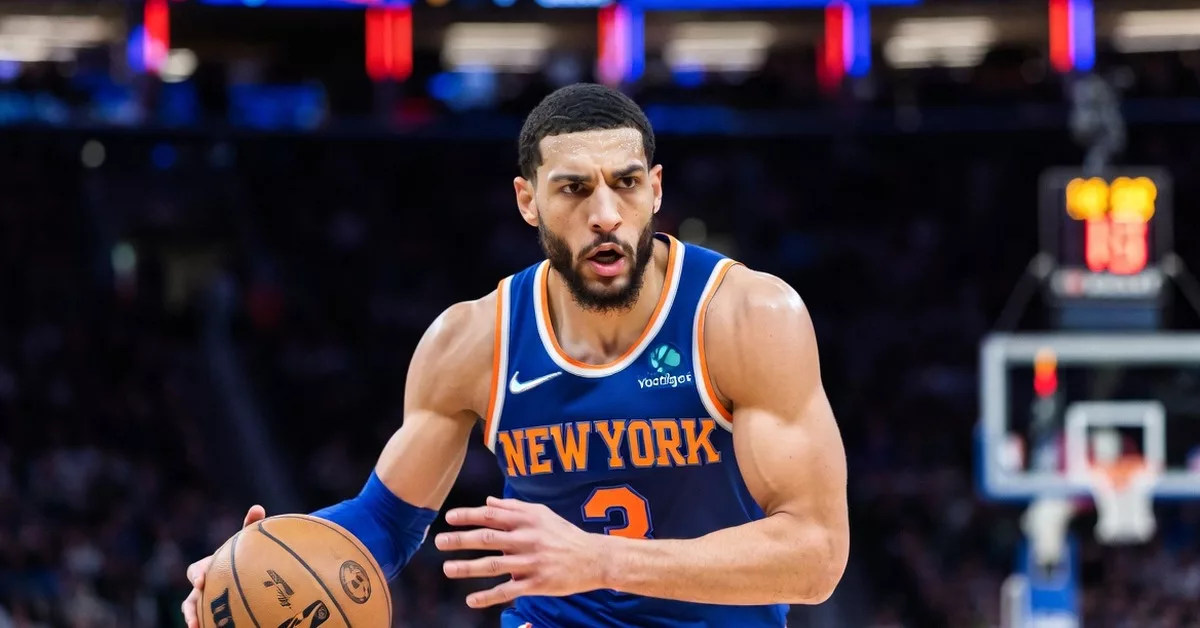
For the players, the Emirates NBA Cup offers a unique opportunity to compete for a championship and a significant financial incentive early in the season. Each player on the winning team receives a substantial prize money bonus. The intensity of the tournament has been a welcome addition to the early part of the regular season, a time that can sometimes lack the high stakes of the playoff race. Playing the final in a historic venue like Hinkle Fieldhouse could add an extra layer of motivation for the players. The chance to win a championship on a court that has witnessed so much basketball history is a special opportunity. The move to Indianapolis will also bring the final to a city with a deep and passionate basketball fanbase, which could create a more electric atmosphere for the players to compete in. The inaugural tournament winners were the Los Angeles Lakers, followed by the Milwaukee Bucks and the New York Knicks in the subsequent years.
The Historical Significance of Hinkle Fieldhouse
To truly understand the magnitude of this move, one must appreciate the history of Hinkle Fieldhouse. Built in 1928, it was the largest basketball arena in the United States for over two decades. Beyond its architectural significance, the arena has been a stage for some of the most memorable moments in Indiana’s storied basketball history. It was the long-time home of the Indiana high school basketball state championships, an event that captivates the entire state. The arena has also hosted U.S. presidents, the Pan American Games, and even served as a military barracks during World War II. Legendary players like Oscar Robertson have graced its court. By choosing Hinkle Fieldhouse, the NBA is not just selecting a venue; it is embracing a piece of basketball’s soul. As former Butler coach and current Boston Celtics President of Basketball Operations, Brad Stevens, once said, “Hinkle Fieldhouse gets loud, and it gets as loud as loud gets.” This is the kind of authentic and intense environment the NBA is hoping to bring to its in-season tournament final.
Looking Ahead: The Future of the Emirates NBA Cup
The move to Hinkle Fieldhouse is a bold statement from the NBA about its vision for the Emirates NBA Cup. The league is demonstrating a willingness to experiment and evolve the tournament to make it a more meaningful and engaging part of the basketball calendar. While Las Vegas offered a modern and glamorous setting, the shift to a more traditional and historic venue suggests a desire to build a competition with deep roots in the sport’s culture. The success of this move will be measured not just in viewership numbers, but also in the long-term perception of the tournament among players and fans. If the final at Hinkle Fieldhouse can capture the imagination of the basketball world, it could set a new standard for what an in-season tournament can be. The NBA is betting that by honoring the past, it can build a brighter future for one of its newest innovations.