A Dramatic Return and an Abrupt Silence
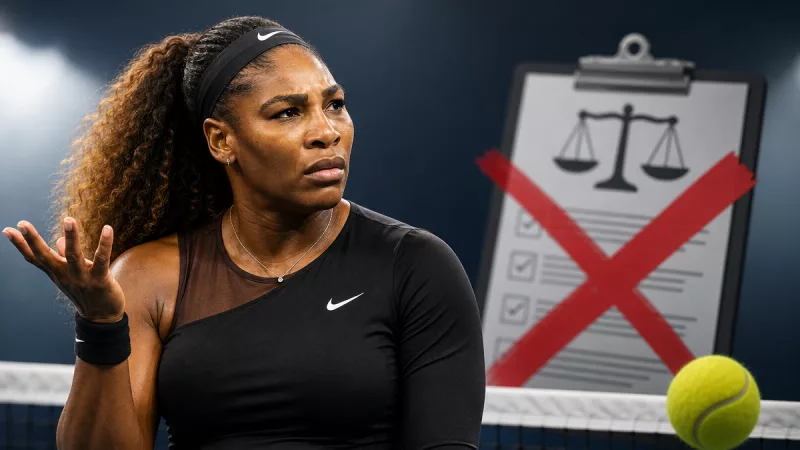
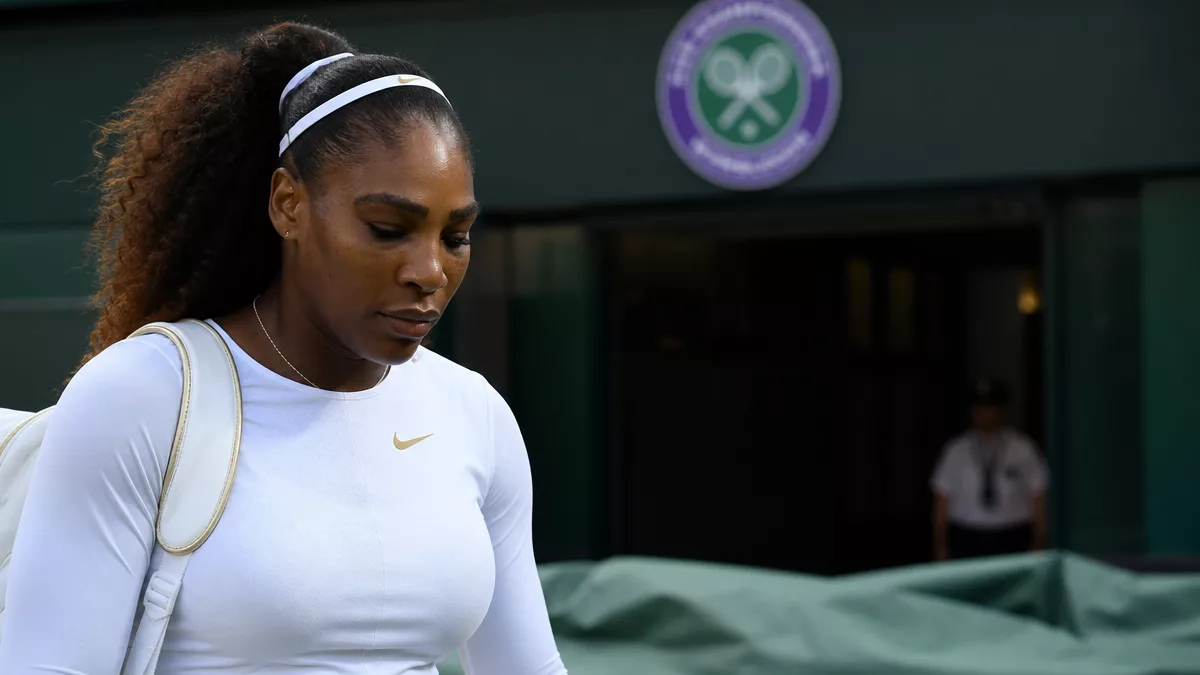
The hallowed grounds of the All England Club witnessed a much-anticipated return as Serena Williams, the seven-time champion, stepped onto Centre Court for her first singles match at Wimbledon in four years. The excitement, however, was tinged with disappointment for the fans and media alike when, following a hard-fought three-set loss to Australia‘s Maya Joint, Williams was conspicuously absent from the obligatory post-match press conference. This immediately sparked speculation and debate, raising the specter of a significant financial penalty for the tennis icon. The Grand Slam rulebook is unequivocal: players are required to attend post-match media opportunities, with violations potentially leading to fines of up to $50,000. The situation left many wondering about the reasons behind her decision and whether Wimbledon would enforce its stringent regulations against one of the sport’s most celebrated figures.
The match itself was a grueling affair, lasting two hours and 22 minutes and concluding late in the evening. Williams, at 44 years old, showed flashes of her legendary power and fighting spirit, even saving a match point in the second set before ultimately succumbing to her 20-year-old opponent. Her abrupt departure from the media spotlight, without immediate explanation, created a vacuum filled with conjecture. Initial reactions from some quarters were critical, suggesting the move was unsportsmanlike. However, as the dust settled, a more nuanced picture began to emerge, one that highlighted the physical toll of her return and the delicate balance between player obligations and well-being.
The Injury Revelation and a Lenient Ruling
It was later revealed that Serena Williams had a legitimate reason for her absence. Her agent, Jill Smoller, confirmed that the 23-time Grand Slam champion had ‘tweaked her knee’ late in the first set of her match. This injury was deemed a reasonable ground for excusing her from media duties by both Wimbledon and WTA medical teams. Consequently, the All England Club opted not to impose the potential $50,000 fine, a decision that underscores the governing bodies’ willingness to consider extenuating circumstances. Instead of a press conference, Williams issued a short statement through the tournament organizers, expressing her gratitude for being back at Wimbledon and the incredible atmosphere. This compromise satisfied her media obligations in the eyes of the tournament, preventing a financial penalty and a larger controversy.
This incident is not the first time a high-profile player has navigated the complexities of media requirements at a Grand Slam. The situation draws parallels to Naomi Osaka’s withdrawal from the 2021 French Open, where she cited mental health concerns for her decision to boycott press conferences. Osaka was initially fined $15,000 before her withdrawal, highlighting the potential for significant financial repercussions. Williams’ case, however, was treated differently due to the physical nature of her ailment. The decision by Wimbledon to waive the fine demonstrates a degree of flexibility within the rules, particularly when a player’s physical health is a factor. It also opens up a broader conversation about the demands placed on athletes and the importance of prioritizing their well-being, whether physical or mental.
A History of Knee Troubles for the Champion
Serena Williams’ recent knee issue at Wimbledon is, unfortunately, not an isolated incident in her storied career. The American superstar has battled various knee injuries over the years, a testament to the immense physical demands of professional tennis. As far back as the mid-2000s, Williams struggled with persistent knee problems that forced her to miss significant time on the court, including a period where she dropped out of the top 100 in the rankings. These earlier injuries required surgery and extensive rehabilitation, showcasing her resilience in repeatedly coming back to the pinnacle of the sport. In 2016, she withdrew from the Hopman Cup citing knee inflammation, an issue that has periodically flared up throughout her career.
The recurrence of a knee problem at this stage of her comeback raises questions about her future participation, particularly in the doubles event with her sister, Venus. While her agent has stated that she is doing everything possible to be ready, the situation remains uncertain. Knee injuries can be particularly debilitating for tennis players, affecting movement, power, and the ability to withstand the rigors of long matches. Williams’ history with knee ailments provides important context for her recent withdrawal from media duties, emphasizing that her decision was rooted in a legitimate physical concern rather than a disregard for her obligations. It also serves as a reminder of the incredible longevity of her career and the physical challenges she has overcome to remain a competitive force in the sport for so long.
The Strict World of Wimbledon’s Rules and Fines
Wimbledon is renowned for its traditions and its strict adherence to a comprehensive set of rules and regulations. Player conduct, both on and off the court, is closely monitored, and infractions can result in substantial fines. The potential $50,000 penalty for missing a press conference is just one example of the financial deterrents in place to ensure compliance. The tournament’s rulebook is designed to maintain a high standard of professionalism and sportsmanship, covering everything from the all-white dress code to on-court behavior. For instance, players can be fined for audible obscenities, racket abuse, and unsportsmanlike conduct. In 2025, British doubles player Henry Patten received a hefty $12,500 fine for verbal abuse, demonstrating the seriousness with which the All England Club treats such violations.
Even a perceived lack of effort can come with a hefty price tag, as Australian player Bernard Tomic discovered when he was fined £45,000 for not giving his best effort during a match. These rules are not merely for show; they are an integral part of the Wimbledon experience, contributing to the tournament’s prestigious and well-respected image. The fines collected from these infractions are often channeled into the International Tennis Federation’s Development Fund, which supports the growth of tennis in emerging nations. While some may view these regulations as overly stringent, they are a key component of what distinguishes Wimbledon from other tournaments and upholds its unique character. Serena Williams’ case, while ultimately resulting in no fine, serves as a high-profile reminder of the strict framework within which players must operate.
A Closer Look at the Grand Slam Rulebook
The regulations governing player conduct at major tournaments are outlined in the official Grand Slam rulebook, a document that all four majors—Wimbledon, the French Open, the US Open, and the Australian Open—adhere to. A key provision within this rulebook mandates that both winning and losing players must attend post-match media conferences. The rationale behind this rule is to provide valuable exposure for the sport, allow players to share their perspectives, and ultimately drive fan engagement. The rulebook explicitly states that a violation of this section can subject a player to a fine of up to $50,000. However, there is a crucial caveat: players can be excused on ‘reasonable grounds,’ with illness or injury being the primary examples. This clause provides a degree of discretion for tournament organizers, allowing them to assess each situation on its own merits.
In Serena Williams’ case, her knee injury was deemed a valid reason for her non-appearance, thus invoking the ‘reasonable grounds’ exception. This highlights the importance of clear communication between players, their teams, and tournament officials. By promptly informing the relevant medical teams, Williams’ representatives ensured that the situation was handled appropriately and in accordance with the rules. The incident also draws attention to the evolving nature of player-media relations. While the traditional press conference remains a cornerstone of sports journalism, there is a growing recognition of the need for flexibility and understanding, particularly when it comes to player health and well-being. The Grand Slam rulebook, while strict, does appear to have the capacity to adapt to these evolving dynamics.
The Precedent of Player Fines in Tennis
Financial penalties are a common tool used by tennis authorities to maintain discipline and enforce the sport’s code of conduct. These fines are not limited to media-related infractions but cover a wide range of on-court and off-court behavior. At Wimbledon, for example, players have been fined for everything from swearing and racket abuse to unsportsmanlike conduct. The amounts of these fines can vary significantly, depending on the severity of the offense and the player’s history of violations.
Here is a look at some notable fines at Wimbledon in recent years, illustrating the types of infractions that have resulted in financial penalties:
| Player | Year | Offense | Fine Amount |
|---|---|---|---|
| Henry Patten | 2025 | Verbal Abuse | $12,500 |
| Theo Arribage | 2025 | Unsportsmanlike Conduct | $7,500 |
| Adrian Mannarino | 2025 | Unsportsmanlike Conduct | $6,000 |
| Amanda Anisimova | 2025 | Unsportsmanlike Conduct | $4,000 |
These examples, as reported by the Associated Press, demonstrate Wimbledon’s commitment to upholding its standards of decorum. While Serena Williams ultimately avoided a fine, the very real possibility of such a penalty serves as a powerful deterrent for players. The system of fines, while sometimes criticized, is an established part of the professional tennis landscape, designed to ensure that the sport is conducted in a fair and professional manner. It also provides a mechanism for holding players accountable for their actions, both on and off the court.
The Broader Conversation: Player Well-being and Media Obligations
Serena Williams’ situation at Wimbledon, following so closely on the heels of the Naomi Osaka controversy at the French Open, has reignited a crucial conversation about the intersection of player well-being and media obligations in professional sports. While the circumstances of the two cases are different—Williams’ being a physical injury and Osaka’s related to mental health—they both highlight the immense pressure that athletes face. The mandatory nature of post-match press conferences can be particularly challenging, especially after a difficult loss. Players are expected to be composed, articulate, and insightful, often just minutes after experiencing a significant professional setback. This can be a daunting task, even for the most seasoned veterans.
The discussion now is whether the current system is sustainable and whether there are alternative ways to facilitate player-media interaction that are less taxing on the athletes. Some have suggested that a more collaborative approach, with greater flexibility and understanding from all parties, could be beneficial. This could involve exploring different formats for media availability, such as written statements or pre-arranged interviews, in certain situations. The goal is not to eliminate media access altogether, but to find a balance that respects the needs of the players while still providing the coverage that is so vital to the sport’s popularity. As the conversation continues, it is likely that we will see further evolution in the way player-media relations are managed at the highest levels of tennis.
Looking Ahead: The Future of Williams and Player-Media Dynamics
With the press conference issue now resolved, the immediate focus for Serena Williams will be on her recovery and her potential participation in the Wimbledon doubles competition with her sister, Venus. Her agent has indicated that she is determined to play, but the final decision will likely depend on the severity of her knee injury and how it responds to treatment. Beyond Wimbledon, her future in the sport remains a subject of speculation. Her return to singles play after a four-year hiatus was a significant undertaking, and it remains to be seen whether she will continue to compete in major tournaments like the US Open. Her performance against Maya Joint, despite the loss, demonstrated that she can still compete at a high level, and her enduring popularity is a major asset for any tournament she enters.
From a broader perspective, the incidents involving Williams and Osaka will undoubtedly have a lasting impact on the relationship between players and the media. Governing bodies like the WTA and the ITF, as well as the organizers of the Grand Slam tournaments, will likely be re-evaluating their policies and procedures. The challenge will be to create a system that is fair to all players, upholds the integrity of the sport, and acknowledges the evolving understanding of athlete well-being. This may involve more open dialogue between players, tournament officials, and media representatives to find common ground and establish best practices. The goal will be to foster a more supportive and sustainable environment for everyone involved in the world of professional tennis.
A Champion’s Enduring Legacy
Regardless of the outcome of her current comeback or the debates surrounding her media obligations, Serena Williams’ legacy as one of the greatest athletes of all time is secure. With 23 Grand Slam singles titles to her name, she has redefined the sport of tennis and inspired millions around the world. Her impact extends far beyond the court, as she has become a cultural icon and a powerful voice for change. Her return to Wimbledon at the age of 44 is a testament to her incredible passion for the game and her unwavering competitive spirit.
The recent incident at Wimbledon, while a minor footnote in the grand scheme of her career, does offer a glimpse into the human side of a sporting legend. It serves as a reminder that even the most accomplished champions are not immune to the physical and emotional challenges of professional sports. As she navigates the latest chapter of her remarkable journey, Serena Williams continues to captivate and inspire, her every move watched with anticipation by a global audience. Her legacy is not just about the trophies and the records, but also about her resilience, her determination, and her enduring love for the game of tennis.