A League-Altering Blockbuster
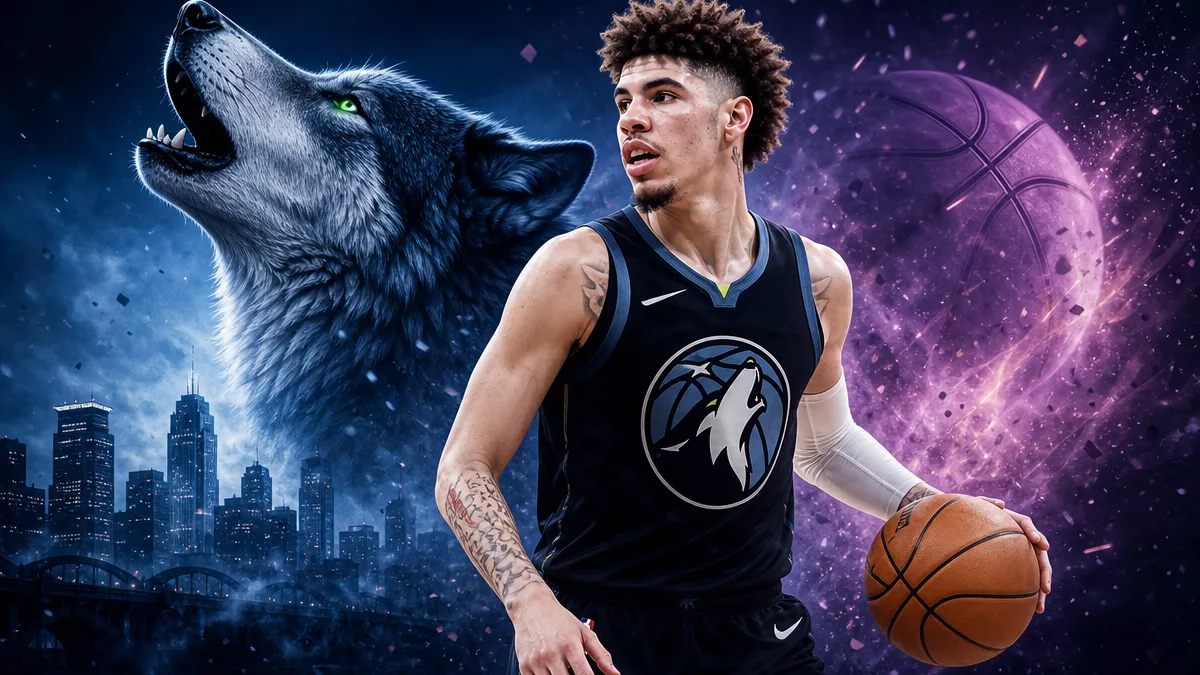
The first massive domino of the NBA offseason has fallen, and it landed with a thunderous crash in Minneapolis. In a stunning move that reshapes the landscape of the Western Conference, the Minnesota Timberwolves have acquired All-Star point guard LaMelo Ball from the Charlotte Hornets. The trade, confirmed by ESPN’s Shams Charania, sends shockwaves through the league, pairing two of the top three from the 2020 NBA Draft in a dynamic new backcourt. Minnesota sent a significant package to Charlotte, including fan-favorite and reigning Sixth Man of the Year Naz Reid, wing Josh Green, a 2033 unprotected first-round, three first-round swaps, and three second-round. This aggressive, all-in maneuver signals the Timberwolves’ clear intention to vault from a playoff contender to a legitimate championship threat.
Why Minnesota Went All-In for LaMelo
For Timberwolves President of Basketball Operations Tim Connelly, this trade is a calculated gamble to maximize the team’s championship window, centered around superstar Anthony Edwards. After a season where Edwards often faced relentless double-teams, the frustration was palpable. Adding a player of Ball’s caliber provides an immediate and potent secondary playmaker and scorer. Team leadership has reportedly long admired Ball’s unique combination of elite passing and high-volume three-point shooting, viewing him as a natural backcourt partner for Edwards. The move addresses a point guard position that was a point of concern for the team last season. By pairing the first and third overall from the 2020 draft, Minnesota is creating one of the most talented and exciting young backcourts in the entire league, hoping Ball’s offensive creativity will unlock another level for their franchise player and the team as a whole.
Charlotte Hits the Reset Button
For the Hornets, this trade marks the definitive end of an era and the beginning of a comprehensive rebuild. While parting with a franchise cornerstone like Ball is never easy, the return package provides a clear path forward. The acquisition of Naz Reid gives them a tough, versatile big man coming off a career year. More importantly, the haul of future draft, particularly the unprotected 2033 first-rounder and multiple swaps, gives the front office immense long-term flexibility. This move signals a strategic pivot, building around a new young core of Brandon Miller and their recent draft selections. By trading Ball, Charlotte is prioritizing the accumulation of assets and financial flexibility, that this collection of future will be more valuable in building a sustainable winner than a team centered around a single, often-injured star.
The On-Court Fit: A Tale of Two Stars
The basketball world will be watching intently to see how the offensive styles of LaMelo Ball and Anthony Edwards mesh in Minnesota. On paper, the potential is explosive. Edwards is a powerful, athletic driver who excels at getting to the rim, while Ball is a creative playmaker with deep shooting range. However, both are high-usage players who are accustomed to having the ball in their hands. The key to their success will be their ability to adapt and play off one another. During the 2023-24 season, both players put up impressive, albeit different, stat lines that highlight their strengths and potential for synergy.
| Player | Games Played (2023-24) | Points Per Game | Assists Per Game | Rebounds Per Game |
|---|---|---|---|---|
| LaMelo Ball | 22 | 23.9 | 8.0 | 5.1 |
| Anthony Edwards | 79 | 25.9 | 5.1 | 5.4 |
Statistics sourced from StatMuse.
The Domino Effect: Jaylen Brown and the Celtics
Blockbuster trades like the Ball acquisition often create ripples across the league, and the situation with Jaylen Brown and the Boston Celtics is one to watch. Following a first-round playoff exit, reports indicate the Celtics are actively engaged in trade talks involving their All-NBA wing. Brown, who signed a historic five-year, $304 million supermax extension in 2023, has three years remaining on his deal but becomes eligible for another extension this summer. While the Celtics front office has maintained a dialogue with Brown, they have not publicly committed to him being on the roster to start the season. This uncertainty has put multiple teams on high alert, creating a tense atmosphere in Boston as they weigh the future of a player who has been a cornerstone of their franchise.
Kawhi Leonard’s Crossroads in Los Angeles
Another superstar whose future is shrouded in uncertainty is Kawhi Leonard. Entering the final year of his contract with the Los Angeles Clippers, Leonard becomes eligible for a contract extension on July 6. However, reports suggest that if an extension is not reached, the Clippers could look to trade the two-time Finals MVP rather than risk him playing on an expiring deal. Multiple teams, including the Golden State Warriors, are reportedly monitoring the situation closely. The Clippers are said to be negotiating for Leonard to take a pay cut in any potential extension, which could create a stalemate and push one of the league’s most impactful players onto the trade market. The outcome of these negotiations will have a profound impact on the hierarchy of the Western Conference.
Takeaways From a Fascinating NBA Draft
While trades of established stars dominate the headlines, the annual NBA Draft provides a glimpse into the future. The 2024 draft was notable for its international flavor, with French prospects Zaccharie Risacher and Alex Sarr being selected with the first two by the Atlanta Hawks and Washington Wizards, respectively. This marked the first time in NBA history that international players were chosen with the top two selections. The draft also saw intriguing value, such as the Los Angeles Lakers selecting prolific scorer Dalton Knecht at number 17 and the Memphis Grizzlies adding college basketball’s best player, Zach Edey, at number 9. For many teams, the draft was about adding specific skill sets and long-term talent to complement their existing cores.
The Salary Cap Chess Match
Underpinning all of these high-stakes moves is the NBA’s new Collective Bargaining Agreement (CBA) and its punitive “second apron.” This new financial threshold severely restricts the teambuilding capabilities of the league’s highest-spending teams. Teams that operate above the second apron face harsh penalties, including the inability to aggregate salaries in trades, use a mid-level exception in free agency, or trade first-round seven years out. This has forced front offices to be more creative and calculated than ever. The Timberwolves’ trade for Ball, for instance, pushes them deep into the luxury tax for a third straight year and will hard-cap them at the second apron. This financial reality is shaping every decision, forcing teams to weigh not just the on-court talent but the long-term fiscal consequences of every potential transaction.
An Unpredictable Summer Unfolds
The LaMelo Ball trade is a clear signal that this NBA offseason will be anything but quiet. With the futures of stars like Jaylen Brown and Kawhi Leonard still undecided, and a new, more restrictive financial landscape forcing teams’ hands, the league is bracing for more fireworks. Teams are navigating a delicate balance between contending now and maintaining future flexibility. As free agency looms and trade discussions continue to percolate, the chess pieces are moving across the board. The only certainty is that the NBA’s balance of power is in flux, promising a wild and unpredictable summer for basketball fans everywhere.