A Trade Rumor Sends Shockwaves
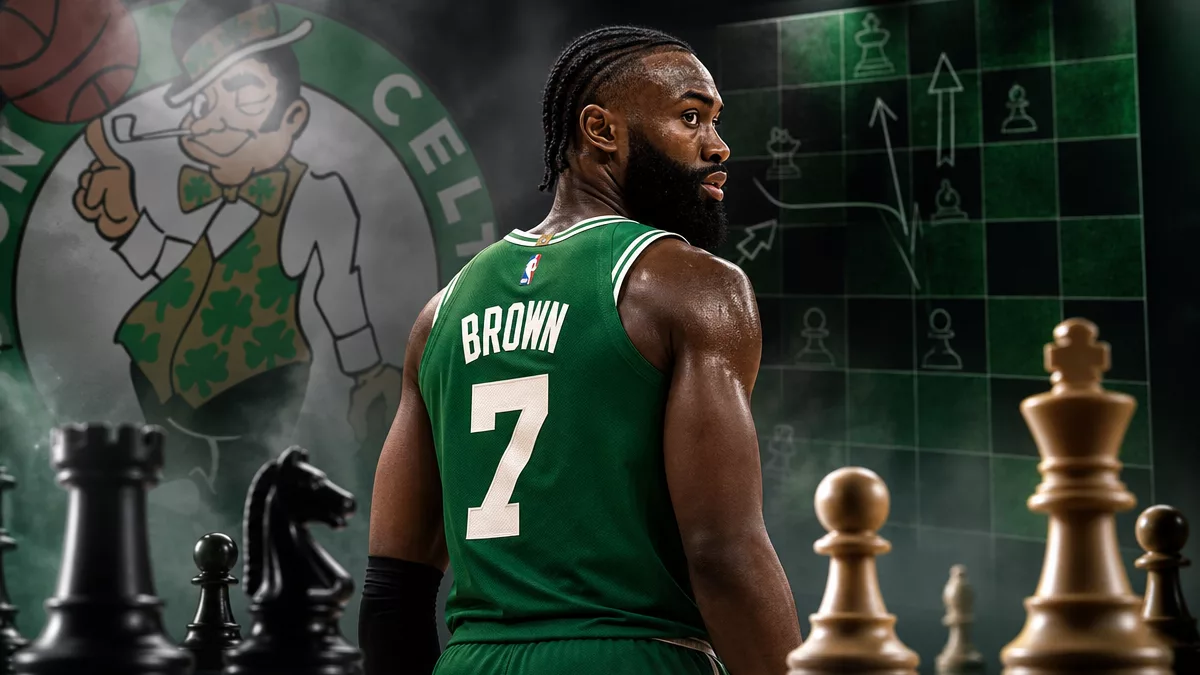
The NBA offseason is a fertile ground for speculation, a time when general managers engage in a high-stakes game of poker, and rumors fly with the speed of a fast break. This year, a particularly audacious trade proposal emerged from the whispers, one that involved the Boston Celtics and the Minnesota Timberwolves. The central piece of this rumored negotiation was none other than Celtics’ star wing, Jaylen Brown. According to reports, Boston’s asking price was steep, a king’s ransom that included two of Minnesota’s key frontcourt players: four-time Defensive Player of the Year, Rudy Gobert, and the reigning Sixth Man of the Year, Naz Reid. This bold proposition, though it never came to fruition, offers a fascinating glimpse into the strategic thinking of two teams at a crossroads, each with championship aspirations but facing distinctly different challenges.
Boston’s Bold Gambit: Fortifying the Frontcourt
For the Celtics, the rumored ask for Gobert and Reid speaks volumes about their offseason priorities. While Boston has one of the league’s most dynamic wing duos in Brown and Jayson Tatum, their frontcourt has been a subject of discussion. The potential acquisition of Gobert, a generational defensive talent, would have immediately addressed their need for an elite rim protector. Gobert’s presence in the paint is transformative; he alters shots, dominates the boards, and provides a defensive anchor that can single-handedly elevate a team’s entire defensive scheme. His four Defensive Player of the Year awards are a testament to his impact on that end of the floor. Pairing his defensive prowess with the offensive firepower of Tatum would have created a balanced and formidable lineup. The Celtics have been vocal about their desire to add size and defensive versatility, and Gobert is the embodiment of those qualities.
The Naz Reid Factor: More Than Just a Throw-In
To view Naz Reid as a mere add-on in this potential deal would be a gross miscalculation. Reid’s development into the league’s best sixth man has been a remarkable story. His ability to score both inside and out, coupled with his energy and rebounding, makes him one of the most valuable reserves in the NBA. For Boston, he would have provided a significant boost to their bench scoring and frontcourt depth, two areas that are crucial for a deep playoff run. His versatility to play both the power forward and center positions would have given the Celtics’ coaching staff a plethora of lineup combinations to exploit mismatches. The fact that Boston reportedly coveted both Gobert and Reid indicates a clear strategy: to build a dominant and versatile frontcourt that could control the paint on both ends of the floor.
Minnesota’s Perspective: The Price of a Third Star
From the Timberwolves’ standpoint, even entertaining a conversation about trading two of their most important players underscores their ambition to add another superstar alongside Anthony Edwards and Karl-Anthony Towns. Jaylen Brown, a perennial All-Star and a proven scorer on the biggest stage, would have undoubtedly provided that. His ability to create his own shot and his experience in deep playoff runs would have been invaluable for a young Minnesota team looking to take the next step. However, the reported asking price was a clear non-starter. Parting with Gobert, the anchor of their defense, and Reid, a vital part of their rotation and a fan favorite, would have created significant holes in their frontcourt. While the allure of a ‘big three’ is always tempting, the Timberwolves’ front office ultimately and wisely decided that the cost of dismantling their frontcourt was too high, even for a player of Brown’s caliber.
A Tale of Two Timelines: Differing Windows of Opportunity
This rumored trade talk also highlights the different timelines and pressures faced by the Celtics and the Timberwolves. Boston, having been a perennial contender in the Eastern Conference, is in a win-now mode. Every move they make is with the singular goal of raising another championship banner. The pressure to maximize the prime years of Jayson Tatum is immense, which explains their willingness to consider a bold move to retool their roster. On the other hand, the Timberwolves are a team on the rise, built around the explosive talent of Anthony Edwards. While they have aspirations of contending, they are also building for a sustainable future. Sacrificing two key pieces of their core for Brown, while potentially raising their immediate ceiling, could have also jeopardized their long-term flexibility and defensive identity.
Statistical Deep Dive: What the Numbers Say
A closer look at the 2023-2024 season statistics for the three players involved reveals the immense talent that was at the center of these discussions. These numbers illustrate the distinct strengths each player would have brought to their new team.
| Player | Games Played | Points Per Game | Rebounds Per Game | Assists Per Game | Blocks Per Game | Steals Per Game | Field Goal % |
|---|---|---|---|---|---|---|---|
| Jaylen Brown | 70 | 23.0 | 5.5 | 3.6 | 0.5 | 1.2 | 49.9% |
| Rudy Gobert | 76 | 14.0 | 12.9 | 1.3 | 2.1 | 0.7 | 66.1% |
| Naz Reid | 81 | 13.5 | 5.2 | 1.3 | 0.9 | 0.8 | 47.7% |
Statistics sourced from StatMuse.
The Ripple Effect: How This Trade Would Have Reshaped the League
Had this blockbuster trade materialized, its reverberations would have been felt across the entire NBA landscape. A Celtics lineup featuring Gobert would have been a defensive juggernaut, potentially the best defensive team in the league. The offensive dynamic would have shifted, with even more responsibility falling on the shoulders of Jayson Tatum to be the primary scorer and playmaker. For the Timberwolves, the addition of Brown would have created one of the most athletic and high-scoring wing duos in the league with him and Anthony Edwards. However, their defensive identity would have been completely transformed, and the pressure on Karl-Anthony Towns to be a dominant interior presence would have been immense. The Western Conference playoff picture would have been thrown into a state of flux, with a new-look Timberwolves team emerging as a wild card.
The Aftermath: Moving Forward for Boston and Minnesota
In the end, this trade remained in the realm of speculation. The Timberwolves ultimately pivoted and acquired LaMelo Ball from the Charlotte Hornets in a different blockbuster deal, signaling their commitment to a backcourt-dominant approach. The Celtics, for their part, will continue to explore avenues to improve their roster around their core of Tatum and Brown. The fact that they were willing to engage in such high-level discussions indicates that their front office is not content with the status quo. The audacity of their reported asking price also sends a clear message to the rest of the league: if you want to acquire one of their star players, the price will be exceptionally high. This offseason saga, though it did not result in a trade between these two teams, has provided a captivating look into the strategic maneuvering and bold decision-making that define the modern NBA.
What Lies Ahead: A Glimpse into the Future
The a non-trade between the Celtics and the Timberwolves is a reminder that in the NBA, the moves that don’t happen are often as significant as the ones that do. It reveals the long-term vision and the perceived value of assets within each organization. For Boston, the quest for a dominant big man to complement their star wings will likely continue. For Minnesota, the focus remains on building a contender around their franchise cornerstone, Anthony Edwards. While this particular trade may be off the table, the underlying motivations and the players involved will continue to be central figures in the ever-evolving narrative of the National Basketball Association. The offseason is far from over, and the echoes of this bold proposal will linger as both teams continue to shape their rosters for a run at the coveted Larry O’Brien Trophy.