A Contentious Comeback
The world of professional tennis is abuzz with the return of one of its most iconic figures, Serena Williams. At 44, the 23-time Grand Slam champion is making a highly anticipated comeback at Wimbledon, a tournament she has conquered seven times. However, her return is not just about sentimental volleys and powerful serves; it is also marked by her outspoken criticism of the sport’s new anti-doping regulations, which she bluntly states she ‘hates’. Williams, who will face Maya Joint in her first-round match, has made it clear that the stringent rules almost deterred her from re-entering the professional circuit.
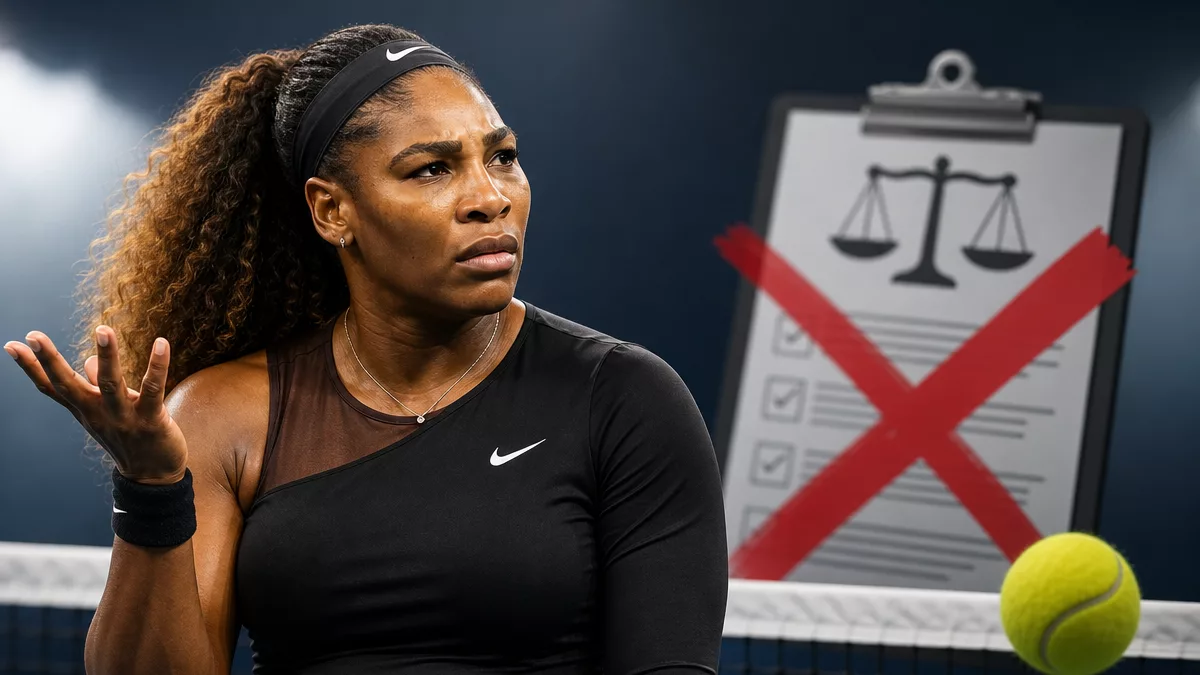
The new rules, enforced by the International Tennis Integrity Agency, require players to provide their daily whereabouts for no-notice testing. For Williams, a mother of two, a venture capitalist, and a global traveler, this presents a significant challenge. “It’s grueling. They changed the rules now. I didn’t know some of the rules. So apparently if you miss a test outside of your window, it still counts as missed. I’m like, I guess I can’t go pick up my kids,” Williams expressed in a pre-tournament press conference. Her frustration is palpable, as she deems the system “unprofessional” and “unreasonable”, highlighting the immense pressure it puts on athletes who are also juggling demanding personal and professional lives.
The Grueling Realities of Modern Tennis
Williams’ critique of the anti-doping system sheds light on the often-unseen pressures that professional athletes face. The stringent regulations, while necessary for maintaining the integrity of the sport, can be perceived as an invasion of privacy and a logistical nightmare for players with multifaceted lives. Williams’ comments have ignited a conversation about the need for a more balanced approach that respects the athletes’ personal lives while ensuring fair play. “That was a big reason why I didn’t want to come back either, because it’s just so hard. I mean, my life is busy, I run a company, I run a VC company, I travel the world. I have children. It’s like I could be in so many different cities so many different times,” Williams elaborated, giving a glimpse into the complexities of her daily life. The International Tennis Integrity Agency (ITIA) has responded to Williams’ comments, clarifying that there have been no recent changes to the whereabouts rules. They emphasized that a missed test, or a ‘strike’, is only recorded if a tester is unable to reach a player during their allocated one-hour window, not outside of it. Despite this clarification, Williams’ sentiments resonate with the broader debate about the evolution of rules in professional sports and their impact on the well-being of athletes.
A Career That Redefined the Game
Serena Williams’ impact on tennis extends far beyond her recent comments on rule changes. Her career has been nothing short of revolutionary, shattering records and breaking barriers along the way. With 23 Grand Slam singles titles, she holds the Open Era record for the most major titles by any player, male or female. Her powerful playing style, characterized by a thunderous serve and aggressive all-court game, has fundamentally changed the way women’s tennis is played. She has inspired a generation of players to embrace strength and ferocity on the court, proving that women can be both powerful and graceful. Beyond her individual achievements, Williams, along with her sister Venus, has been a trailblazer for diversity in a predominantly white sport. Their journey from the public courts of Compton to the pinnacle of international tennis has been a powerful source of inspiration for aspiring athletes from all backgrounds.
| Grand Slam Tournament | Singles Titles | Doubles Titles (with Venus Williams) |
|---|---|---|
| Australian Open | 7 | 4 |
| French Open | 3 | 2 |
| Wimbledon | 7 | 6 |
| US Open | 6 | 2 |
The Evolution of Rules Throughout a Legendary Career
Over the course of Serena Williams’ nearly three-decade career, the landscape of professional tennis has undergone significant transformations, not just in terms of playing styles but also in its regulations. One of the most notable rule changes, and one that Williams herself influenced, is the Special Ranking Rule. After giving birth to her daughter, Olympia, in 2017, Williams’ ranking plummeted, leaving her unseeded at the 2018 French Open. This sparked a widespread debate about how the sport treats players returning from maternity leave. In response, the Women’s Tennis Association (WTA) amended its rules, allowing players returning from pregnancy or long-term injury to use their previous ranking to enter up to 12 tournaments within a three-year period. This rule change was a significant step towards supporting female athletes and ensuring they are not penalized for starting a family. The introduction of the 25-second shot clock, fully implemented in 2020, also marked a pivotal change, aiming to speed up the pace of play. These are just a couple of examples of how the sport has evolved, with Williams often at the center of the conversations driving these changes forward.
More Than an Athlete: The Businesswoman and Investor
Serena Williams’ influence extends far beyond the tennis court. In 2014, she founded Serena Ventures, a venture capital firm with a mission to invest in companies founded by women and people of color. This move solidified her status as a savvy businesswoman with a keen eye for identifying and supporting underrepresented entrepreneurs. Serena Ventures has a diverse portfolio of over 85 companies, including 14 that have achieved unicorn status (a valuation of over $1 billion). Notable investments include MasterClass, Impossible Foods, and Noom. The firm’s investment strategy is a testament to Williams’ commitment to leveling the playing field, not just in sports, but in the world of business as well. With a focus on fintech, e-commerce, and healthcare, Serena Ventures is making a significant impact on the startup ecosystem, proving that investing in diversity is not just a social good, but also a smart business decision. Her firm recently raised an inaugural fund of $111 million, further cementing her position as a major player in the venture capital world.
| Founder Demographics | Percentage of Portfolio |
|---|---|
| Underrepresented Founders | 79% |
| Women Founders | 54% |
| Black Founders | 47% |
| Latino Founders | 11% |
Source: Forbes
A Legacy of Inspiration
Serena Williams’ legacy is not just defined by her numerous titles or her business acumen; it is also about the profound impact she has had on future generations of athletes. She has shown young girls, particularly young Black girls, that with hard work and determination, anything is possible. Her unapologetic display of strength, emotion, and individuality on the court has redefined what it means to be a female athlete. As 18-time Grand Slam champion Chris Evert noted, Williams “changed the way women compete as far as it’s okay to be ferocious and passionate and vocal out there, emotional out there on the court and still be a woman.” Her influence can be seen in the playing styles and attitudes of many of today’s top players, who are not afraid to express themselves and play with power and conviction. The “Serena effect” is a testament to her enduring legacy as a role model and a trailblazer who has transcended the sport of tennis.
The Unpredictable Nature of a Champion’s Return
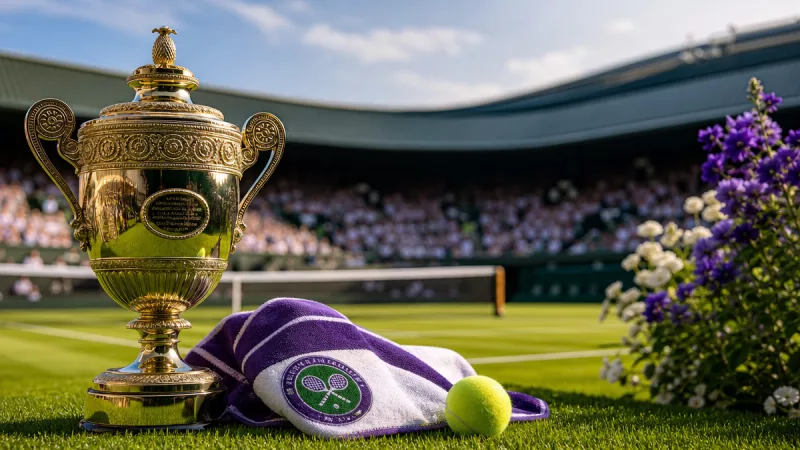
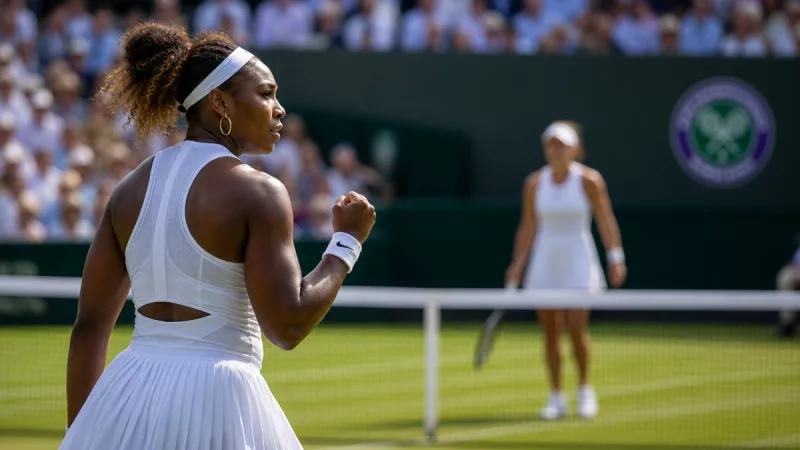
As Serena Williams steps onto the hallowed grass of Centre Court once again, the tennis world watches with bated breath. Her return, after a nearly four-year hiatus from singles play, is a story of resilience, passion, and a deep-seated love for the game. While her expectations may be different this time around, her competitive spirit remains undiminished. Her former coach, Patrick Mouratoglou, believes that if Williams is returning, it’s not just to participate, but to compete at the highest level. Her journey back to the court has been a testament to her dedication, with Williams herself describing it as “riding a bike up a hill.” It’s a challenging climb, but one that she is embracing with her characteristic grit and determination. Whether this comeback will result in another Grand Slam title remains to be seen, but one thing is certain: Serena Williams’ return to Wimbledon is a gift to the sport and a reminder of the indomitable spirit of a true champion.
What the Future Holds
Serena Williams has often spoken of her “evolution” away from tennis, a journey that has allowed her to focus on her family and her burgeoning business empire. However, her return to the competitive arena suggests that her love for the sport is as strong as ever. While she has made it clear that her life is no longer solely defined by tennis, her presence at Wimbledon is a powerful statement about her enduring passion for the game. Looking ahead, it is unclear what Williams’ future in tennis will look like. Whether this is a final farewell to the grand stage or the beginning of a new chapter in her illustrious career, one thing is certain: Serena Williams will continue to captivate and inspire, both on and off the court. Her journey is a testament to the fact that a woman can be a mother, an entrepreneur, and one of the greatest athletes of all time, all at once. Her voice, whether on the court or in a press conference, will continue to be a powerful force for change, shaping the future of tennis and beyond.