A Legend’s Return to Hallowed Ground
The air on Centre Court was thick with anticipation, a palpable blend of nostalgia and unbridled excitement. After nearly four years away from the singles stage at the All England Club, the queen of tennis, Serena Williams, made her return. At 44 years old, stepping onto the hallowed grass where she had claimed seven of her 23 Grand Slam singles titles, Williams was met with a thunderous standing ovation from a star-studded crowd. It was a moment that transcended the first-round fixture on the schedule; it was a celebration of an icon’s enduring legacy and her courageous return to the sport she once dominated. Playing her first singles match since the 2022 U.S. Open, Williams became the second-oldest woman in the Open Era to compete in the main draw at Wimbledon, a testament to her remarkable longevity and unwavering passion for the game. Facing her across the net was 20-year-old Australian Maya Joint, a player who was not even born when Williams had already won multiple major titles. The stage was set for a dramatic clash of generations.
The Opening Salvo: A Tale of Two Generations
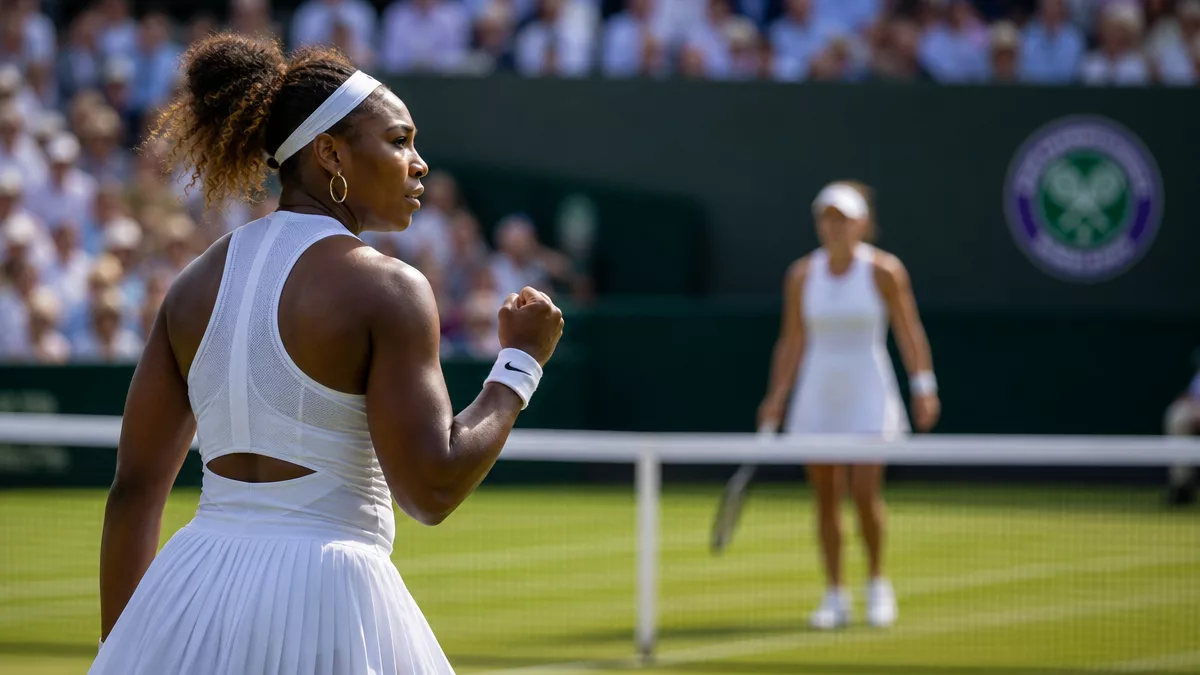
The match began with flashes of the vintage Serena that the world remembered. She won her opening service game at love, punctuating the moment with a roar and a fist pump that echoed through the years. Her serve, a weapon that has defined her career, was firing at speeds exceeding 120 miles per hour, reminiscent of her 2016 title run. For a moment, it seemed as if the last four years had melted away. However, Maya Joint, ranked 87th in the world, was not intimidated by the legend opposite her. The young Australian, who had been on an 11-match tour-level losing streak, weathered the initial storm. The turning point of the first set came at 3-all. Joint began to find her rhythm, handling the pace of Williams’ groundstrokes and strategically moving the American around the court. She broke Williams’ serve and reeled off five consecutive games, spanning the end of the first set and the beginning of the second, to seize control. Joint captured the opening set 6-3 in 37 minutes, demonstrating a composure that belied the magnitude of the occasion.
The Heart of a Champion: Williams Roars Back
Just when it seemed the comeback might be short-lived, the unyielding resolve of a champion emerged. Williams started the second set by being broken immediately, a disastrous start that would have mentally defeated lesser players. Yet, Serena dug deep. She began to channel the fighting spirit that has defined her career, breaking Joint’s serve for the first time in the match to level the set at 3-3. The drama peaked with Williams serving to stay in the match at 5-6. In the longest and most tense game of the encounter, she faced down four break points, any one of which would have ended her return. She refused to yield, holding her serve to force a tiebreak. The crowd, which had been respectful but somewhat reserved, was now fully electric, living and dying with every point. In the ensuing tiebreak, Williams saved a match point and summoned her champion’s mettle, clinching the set 7-6(6) to level the contest and send the Centre Court faithful into a frenzy. It was a powerful reminder that even after years away, the heart of Serena Williams still beats with the fire of an elite competitor.
The Decisive Chapter: Youth Prevails in a Tense Finale
Riding the wave of momentum, Williams carried her energy into the third and final set. The possibility of a fairytale victory felt tantalizingly close when she held a game point on her serve for a 3-1 lead. It was a critical juncture, a moment where the veteran’s experience could have sealed the younger player’s fate. But it was here that Maya Joint showed her own resilience. The Australian fended off the break point and turned the tide in stunning fashion. She reeled off four consecutive games, breaking Williams’ serve and building an insurmountable lead. Despite the flashes of brilliance from Williams, the physical toll of a three-set battle after a long layoff began to show. Joint, 24 years her junior, capitalized on the opportunities, serving out the match to claim a historic 6-3, 6-7(6), 6-3 victory. While the scoreboard marked a loss for Williams, her valiant effort and refusal to surrender made the encounter a thrilling spectacle for the sport of tennis.
A Statistical Deep Dive into the Epic Encounter
The narrative of the match was one of power versus persistence, and the statistics reflect the closely contested battle on Centre Court. While Williams showcased her formidable serving power, Joint’s consistency and ability to capitalize on crucial moments ultimately made the difference. Here is a look at some of the key match statistics that defined the three-set thriller.
| Statistic | Serena Williams | Maya Joint |
|---|---|---|
| Aces | 12 | 5 |
| Double Faults | 7 | 4 |
| 1st Serve % | 61% | 65% |
| 1st Serve Points Won | 73% | 68% |
| 2nd Serve Points Won | 39% | 52% |
| Break Points Saved | 5/10 (50%) | 4/6 (67%) |
| Total Points Won | 98 | 105 |
For Maya Joint, A Dream Realized on the Grandest Stage
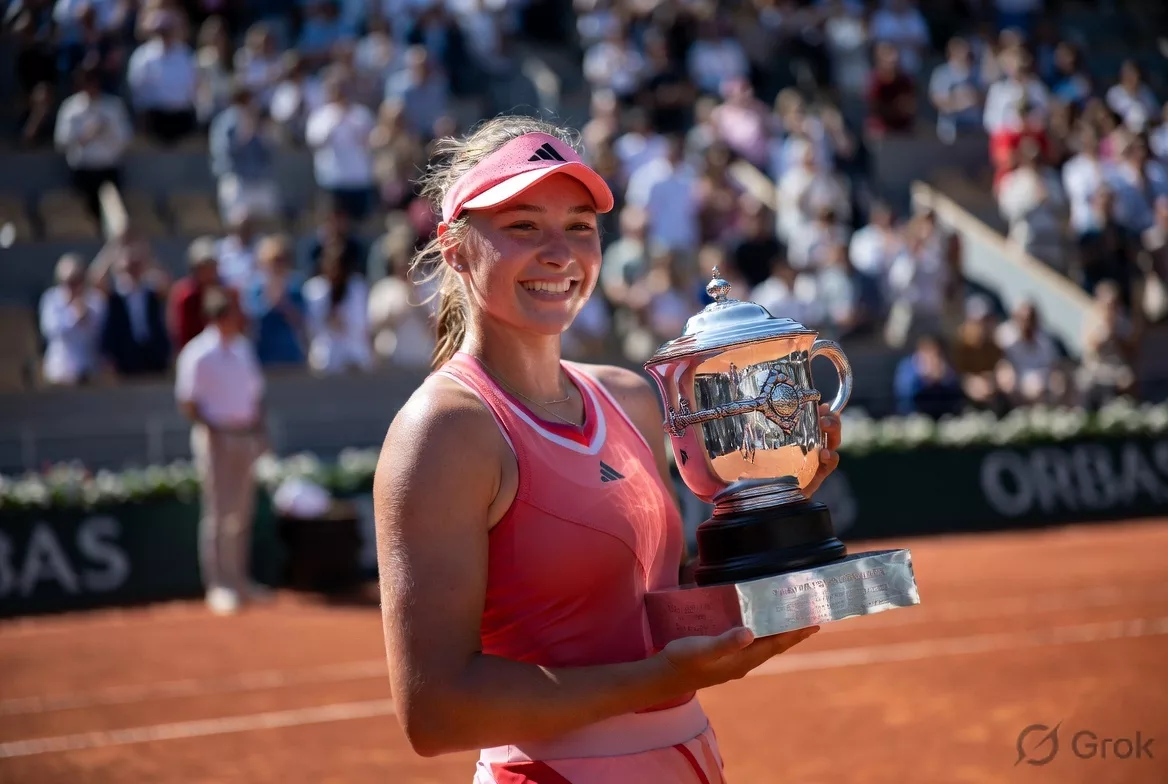
For the victor, Maya Joint, the win was the biggest of her burgeoning career. To defeat an idol on Centre Court at Wimbledon is a moment most players can only dream of. Joint admitted to being so nervous she was awake until 2 a.m. the night before, contemplating the monumental match. In her on-court interview, a stunned Joint confessed, “I don’t know what just happened.” Growing up, Serena Williams was one of her idols, and she had always dreamed of the opportunity to play against her. To not only share the court but to emerge victorious will undoubtedly serve as a massive confidence boost for the young Australian. The victory snapped a difficult losing streak and propelled her into the second round against Alexandra Eala. It was a career-defining performance where she not only managed the occasion but rose to it, respectfully besting a legend and announcing her own potential on the world stage.
The Motivation Behind the Comeback
Serena Williams’ return was driven by reasons far more profound than rankings or prize money. A successful businesswoman and mother to two daughters, Olympia and Adira, her primary motivation was deeply personal. Williams stated that her comeback was “really about my kids getting to see me play.” Her husband, Alexis Ohanian, and her children were in her player’s box, watching on as she battled on court. The decision to return was not taken lightly. Williams spoke candidly before the tournament about her internal debate and the challenges of re-entering the grueling anti-doping testing protocols required of professional athletes. Ultimately, the opportunity presented by a wildcard from the All England Club was too special to refuse. “I thought, ‘[It’s] not every day Wimbledon holds a wild card for someone,” she explained. “I thought, ‘I should really take this opportunity. Who knows if I’ll ever make it here again. This could be it’.” This perspective framed her return not as a quest to recapture past glory, but as a chance to create new memories and embrace the joy of competition one more time.
What Lies Ahead for a Sporting Icon?
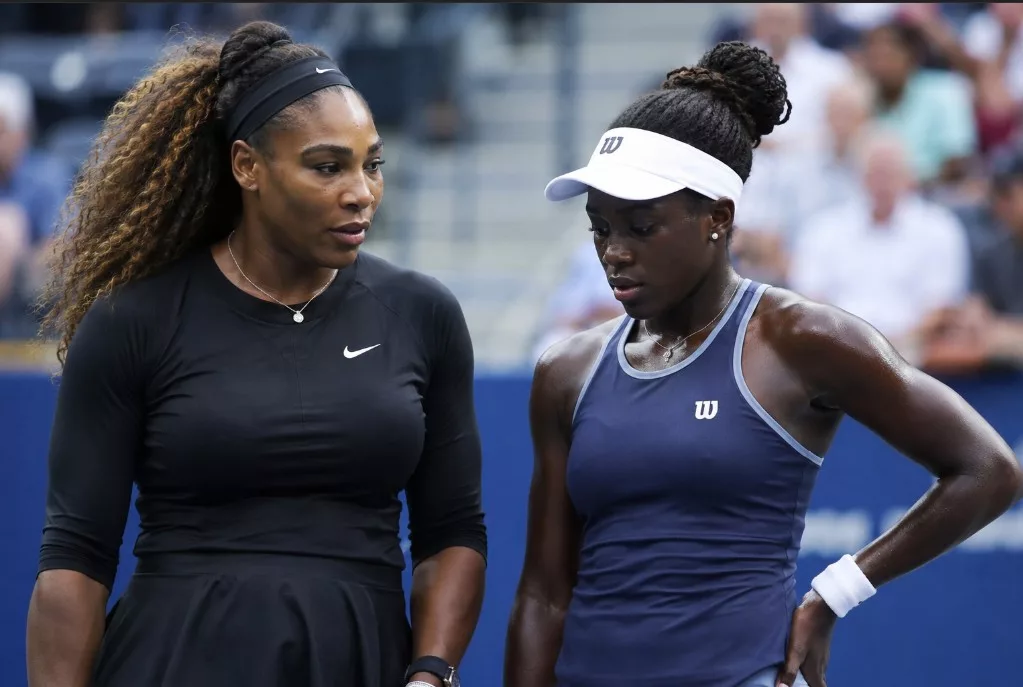
While the singles comeback ended in the first round, the story of Serena Williams at Wimbledon 2026 is not over. She is still scheduled to compete in the doubles tournament alongside her sister, Venus Williams, a pairing that has captured six doubles titles at the All England Club. The loss to Joint may have been disappointing, but the performance itself was anything but. Williams demonstrated that her power, serve, and, most importantly, her fighting spirit remain formidable. She pushed a talented player 24 years her junior to the limit in a match that will be remembered as one of the highlights of the tournament’s opening week. Whether this comeback extends beyond Wimbledon remains to be seen. Williams herself has defined success on her own terms, focusing on enjoying the moment. Regardless of what the future holds, her return was a gift to the sport, a captivating reminder of her greatness, and an inspirational display of passion and perseverance that will resonate long after the final point was played.